Anyone can copy an APK file and upload it somewhere new, which is exactly why the source of your 1xBet download matters more than the download itself. A tampered installer can look identical to the real thing while quietly harvesting login details. Before you think about features, bonuses or bet slips, you need to know the file on your phone came from a trustworthy place. This guide walks through safe setup, the errors that trip people up, and what the app actually offers once it runs.
What the 1xBet APK Actually Is
An APK is simply the installation package Android uses for apps, the equivalent of an .exe on a desktop computer. Because the 1xBet app is not always distributed through the standard app store in every region, many users install it directly from this file instead. That method is legitimate and common, but it shifts responsibility onto you: there is no store screening the file first. The genuine package comes from the operator's own distribution channels, while copies floating around forums, mirrors and file-sharing sites carry real risk. Treat any third-party repost with suspicion, even when the page looks polished.
Downloading and Installing: The Short Version
The whole process takes a few minutes when nothing goes wrong on Android. You fetch the file, adjust one Android setting, tap install, and sign in. A reliable reference point for the correct file is the 1xbet mobile apk update download 1xBet app page, which points you toward the current release rather than an outdated copy.

The basic sequence looks like this:
- Open the download page on your phone and save the APK file.
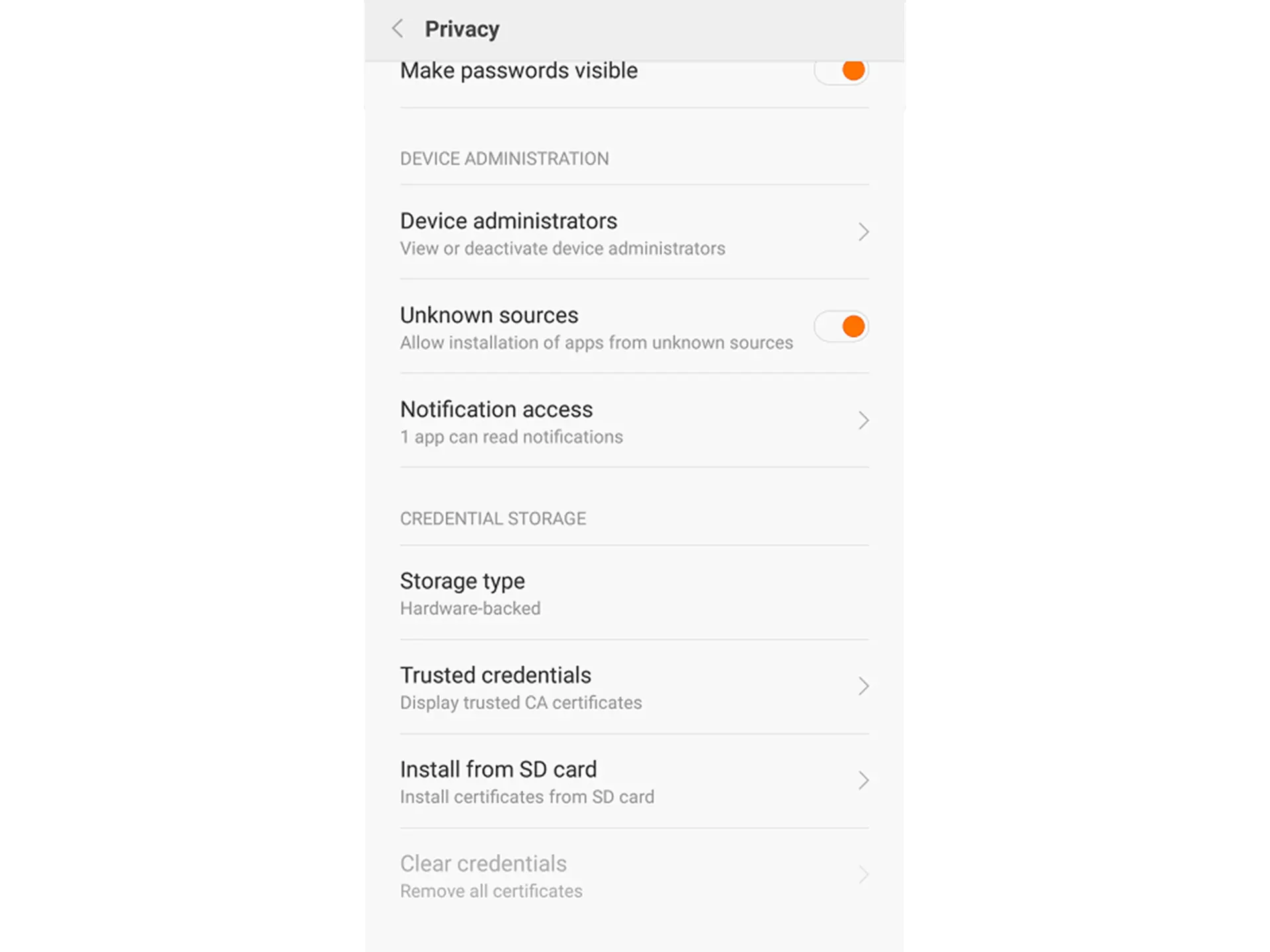
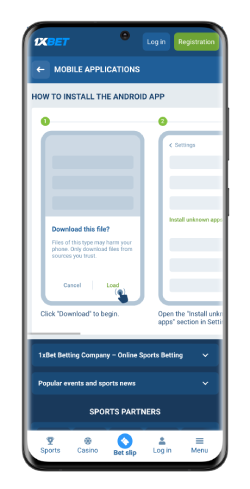
- When prompted, allow your browser or file manager to install unknown apps.
- Tap the downloaded file and confirm the installation.
- Open the app, log in or register, and revoke the unknown-source permission.
That last step is worth repeating: once the app is installed, switch the permission back off. Android grants it per app-source, so disabling it again closes the door without affecting the app you just installed.
When the Installation Refuses to Cooperate
Most failed installs trace back to a handful of causes, and nearly all of them are fixable in minutes. The error messages Android shows are vague, but the pattern behind them is predictable.
The problems reported most often:
- "App not installed" — usually a corrupted or incomplete download; delete the file and fetch it again on a stable connection.
- Parsing errors — the file was damaged in transit or your Android version no longer matches what the current release expects.
- Install blocked — the unknown-sources permission was never granted, or it was granted to the wrong app-source.
- Stuck progress bar — storage is nearly full; Android needs breathing room beyond the file size itself to unpack and install.
- Signature conflict — an older or modified copy of the app is already present, and Android refuses to overwrite it with a differently signed package.
The signature conflict deserves a closer look, because it confuses people the most. Android verifies that an update is signed with the same certificate as the version already on the device. If you originally installed the app from one source and now try to update it with a file from somewhere else, the signatures may not match and the install fails. The fix is to uninstall the old copy first — but be aware that removing the app can wipe locally stored data tied to it, so make sure you know your login credentials before you do. Your account itself lives on the operator's servers, not on your phone.
Storage problems are sneakier. A phone can show free space and still fail the install because the system reserves room for temporary files during unpacking. Clearing cached data from a few large apps usually frees enough. If downloads keep corrupting, switch from mobile data to Wi-Fi or vice versa — an unstable connection is the classic cause of a file that looks complete but is not.
Keeping the App Current
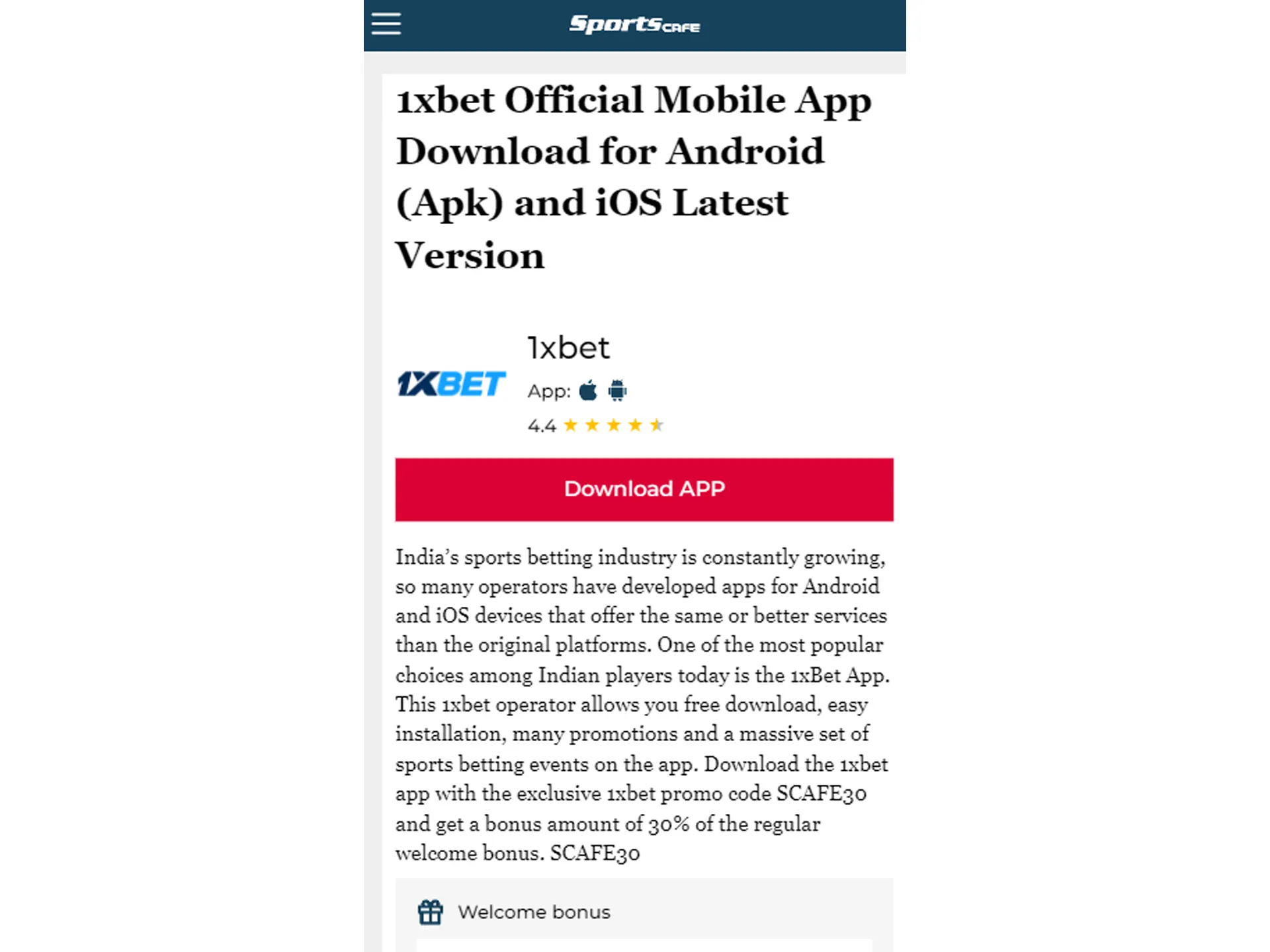
Directly installed apps do not update themselves through a store, so staying current is a manual habit. The app typically flags when a newer release exists, and updating means downloading the fresh APK and installing it over the top — the same workflow as the first install, handled through the 1xbet apk new version android download 1xBet download page or the prompt inside the app itself.
A few habits keep updates painless:
- Update only when the app or your account area prompts you, not because a random site claims a new version exists.
- Never install an "update" pushed through pop-up ads or messaging apps.
- If an refresh fails with a signature problem, uninstall first, then install the new build cleanly.
- Re-check your unknown-sources setting after each update and turn it off again.
Running an outdated build is not just about missing features. Older versions can lose compatibility with the servers, which shows up as login loops or bets failing to place. Exact behaviour varies by release and region, but keeping reasonably current avoids most of it.
What You Get Once It Is Running
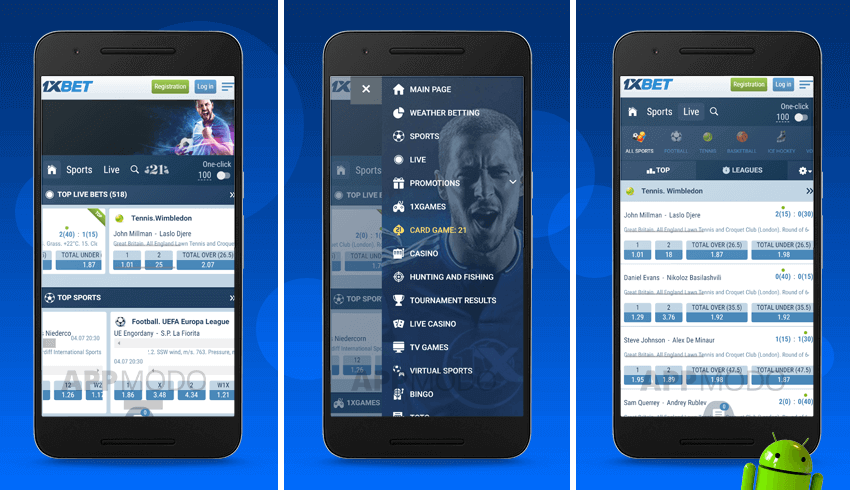
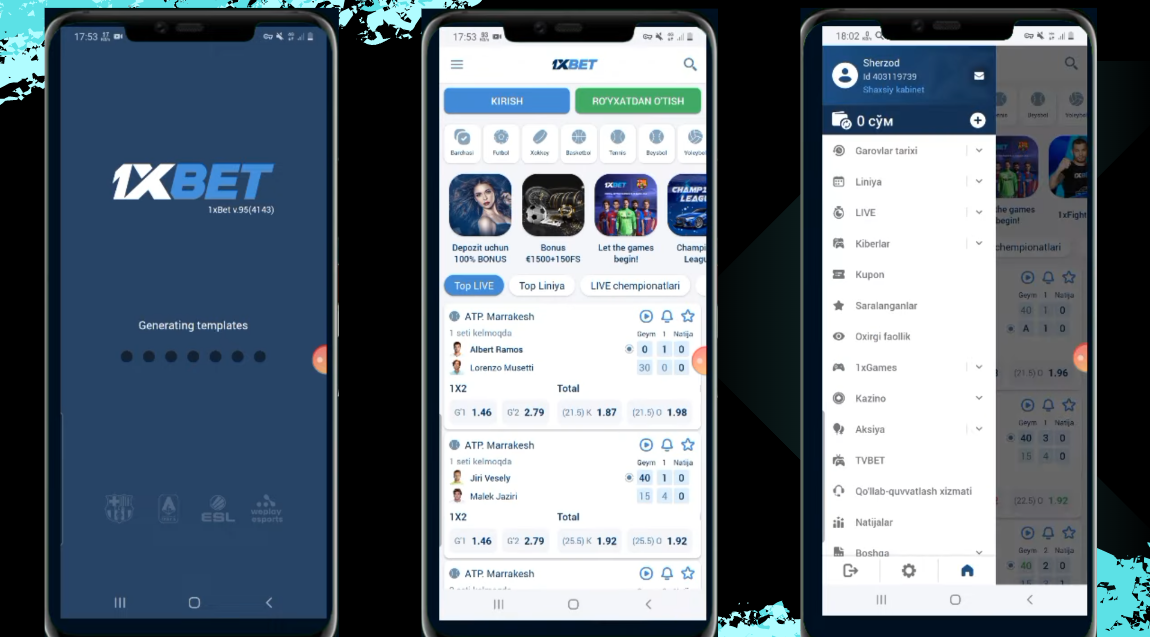
The app condenses the full platform into a handheld layout: pre-match and live sports betting, the casino section, account management and payments all sit behind one login. Live betting is where the native app earns its keep — odds refresh quickly, and the bet slip responds faster than a browser tab juggling other pages. Deposits and withdrawals run through the same cashier as the desktop site, with the available methods depending on your region. Notifications for settled bets and account activity are the other practical win, since a browser cannot tap you on the shoulder. Interface details and available sections differ between regions and releases, so expect minor variation from any screenshot you see online.
The Mobile Site as a Fallback
Not everyone should install the APK. If your phone is shared, managed by an employer, or simply short on storage, the mobile website covers the same ground through the browser. No installation, no permissions, no update chores — you log in and everything is there, from live markets to the cashier.
| Situation | Better choice |
|---|---|
| Daily betting on your own phone | APK app |
| Shared or work-managed device | Mobile site |
| Very limited storage | Mobile site |
| Fastest live-betting response | APK app |
Neither option is universally better; the deciding factors are your device situation and how often you bet. Many people use both — the app at home, the site everywhere else.
FAQ
Is it still risky to install the 1xBet APK?
The file itself is safe when it comes from the operator's own distribution channel. The danger lies in copies reposted elsewhere, which can be modified. Verify the source before downloading, and keep the unknown-sources permission switched off except during the install.
Why does my phone block the installation on a new phone?
Android blocks apps from outside its store by default. You must grant the install-unknown-apps permission to the specific browser or file manager handling the file. If it still fails, the download is likely corrupted or an older conflicting version is installed.
How can I update the app?
Download the current APK and install it over the existing version. If the update fails with a signature error, uninstall the old copy first — noting that local app data may be removed — then install fresh and log back in.
Do I really lose my account if I uninstall the app?
No. Your balance, history and settings are stored on the operator's servers. Only locally kept data on the phone may disappear, so keep your login details handy before removing the app.
Is the mobile site enough, or do I need the app?
The mobile site offers the same betting, casino and account features without any installation. The app adds faster live-betting performance and notifications. Choose based on your device situation and how frequently you play.